
More time for the skylark
The skylark still breeds in the fields of Bree-Eik. To give it room to do so, we even adjust our mowing schedule on some plots.
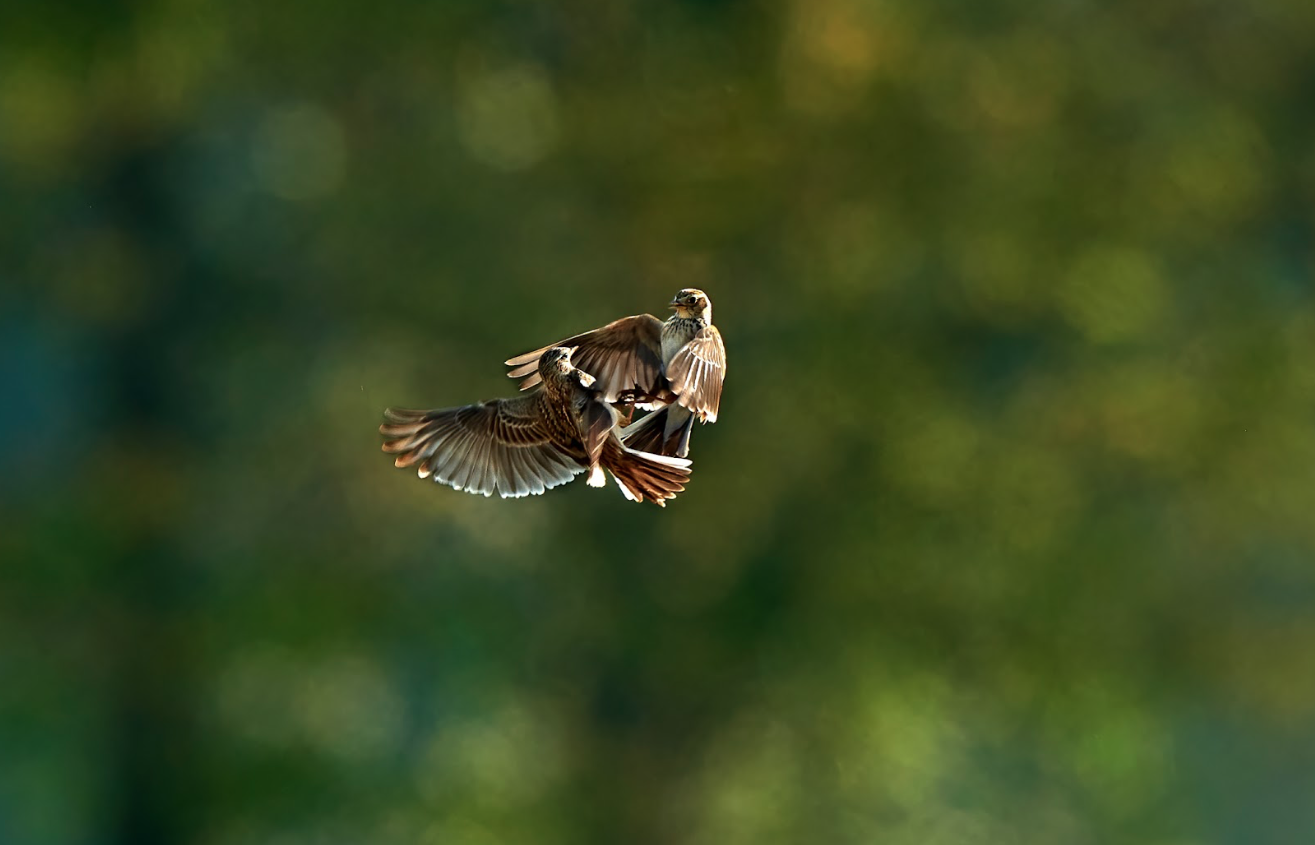
Anyone who sees a bird rising almost vertically into the sky above the fields of Bree-Eik in spring often hears it before they see it. High above the landscape, the skylark sings its long, characteristic song.
The species has belonged to open farmland for centuries. Yet that landscape has become increasingly difficult for the skylark. Even on an organic farm, a seemingly simple act like mowing can make all the difference.
At Bree-Eik, the skylark breeds among other places in plots of grass, clover and alfalfa. These crops are mown several times during the growing season. This creates a problem for a breeding bird.
A skylark needs about 45 days to complete one breeding cycle. To keep its population stable, several clutches per year are also needed. On the relevant plots at Bree-Eik, mowing used to happen every 37 days on average. That meant a nest built shortly after a mowing round barely had a chance to complete a full breeding cycle.
A different choice
That is why the management approach was adjusted.
In places where skylarks breed, we now aim for around 48 days between two mowing rounds. That may seem like a small difference, but for a breeding skylark those extra days can be crucial.
For the farm, that choice is not without cost. Grass mown later has a lower feed quality, and the longer interval can mean losing a mowing round over a full season.
This is, for us, precisely what nature-inclusive farming means.
Not every square metre needs to produce at maximum output at all times. Sometimes making room for nature means adjusting how we work.
Farmland as habitat
The skylark does not need a nature reserve next to the farmland. Its habitat is the open farmed landscape itself.
That is why at Bree-Eik we try not to see farming and nature as two separate worlds. Within our operations, we look for places where small or larger adjustments can make a difference.
Sometimes it simply starts with a little more time.
Read more
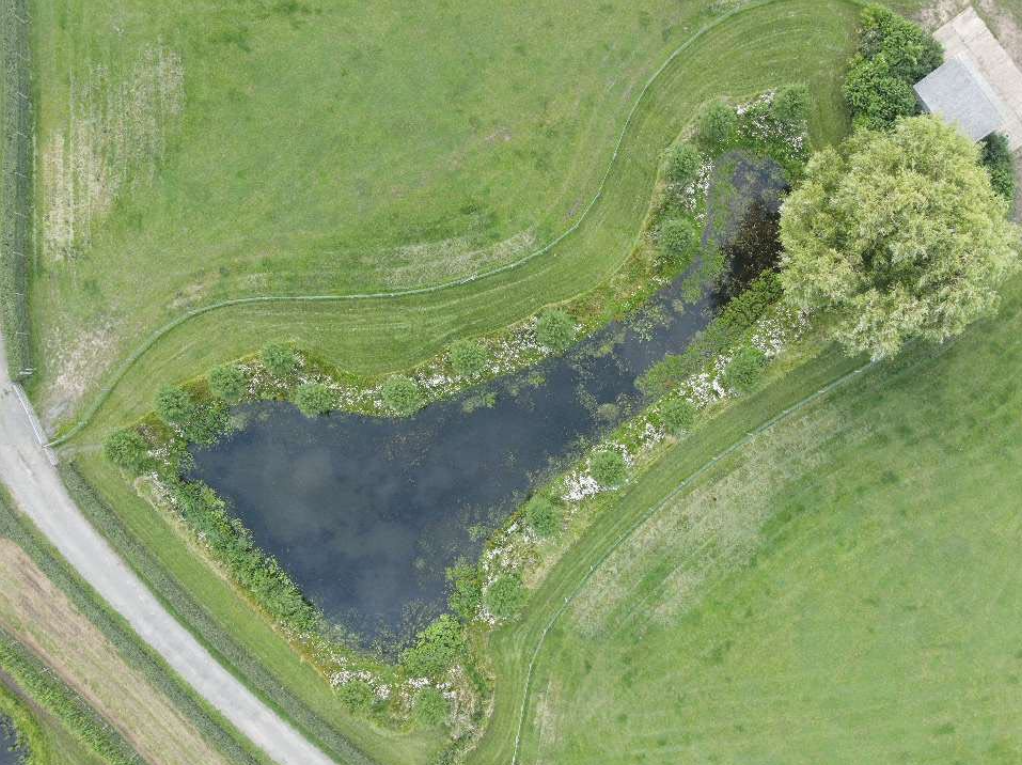
Biodiversity at Bree-Eik
Organic farming is our foundation. But farmland is also a habitat. That's why, at Bree-Eik, we deliberately make room for plants, insects, birds and other animals.
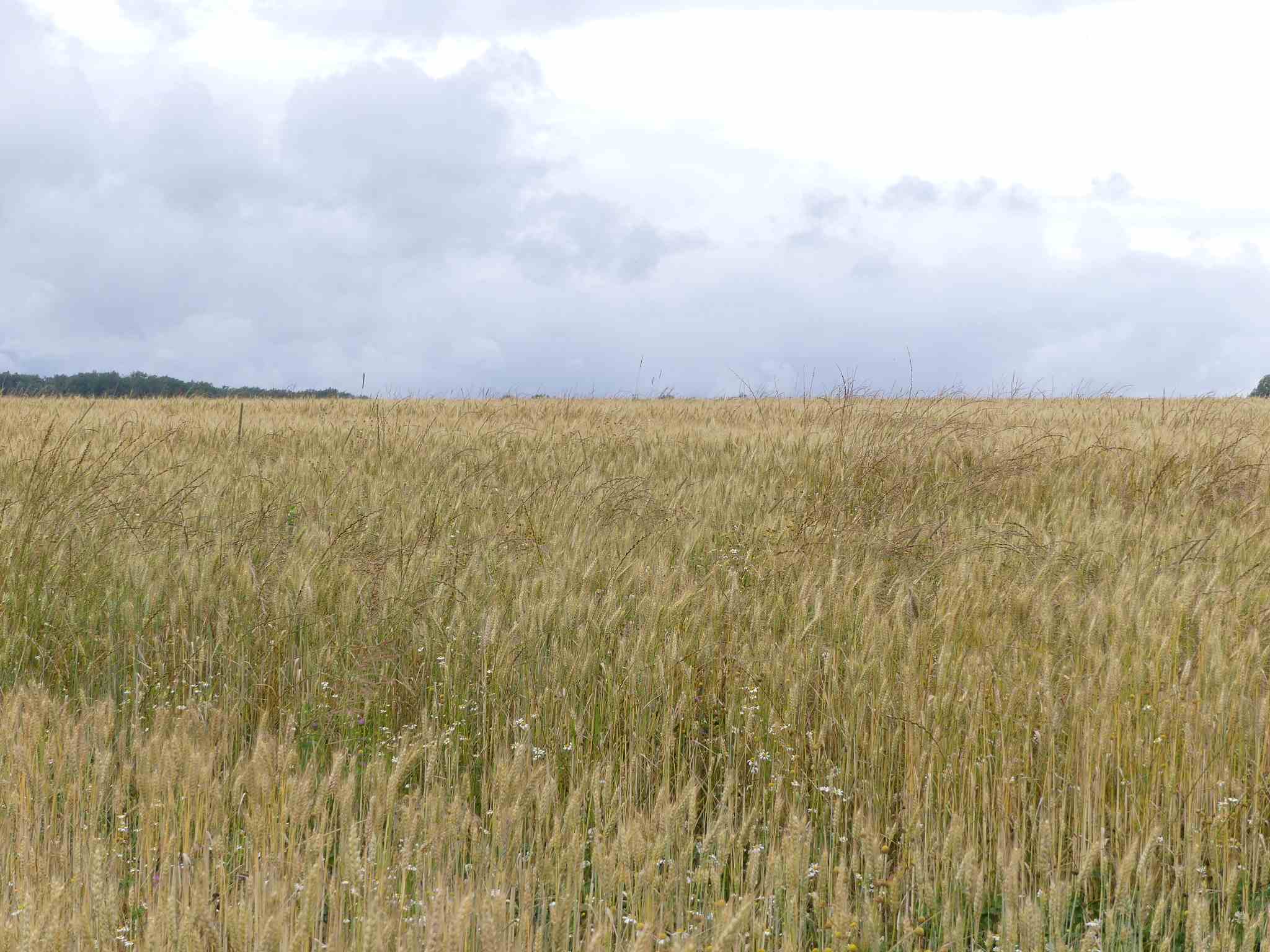
A field that yields more than a harvest
On one of our grain fields, maximum yield is not the priority. Here, old arable plants are given the chance to find a place again.
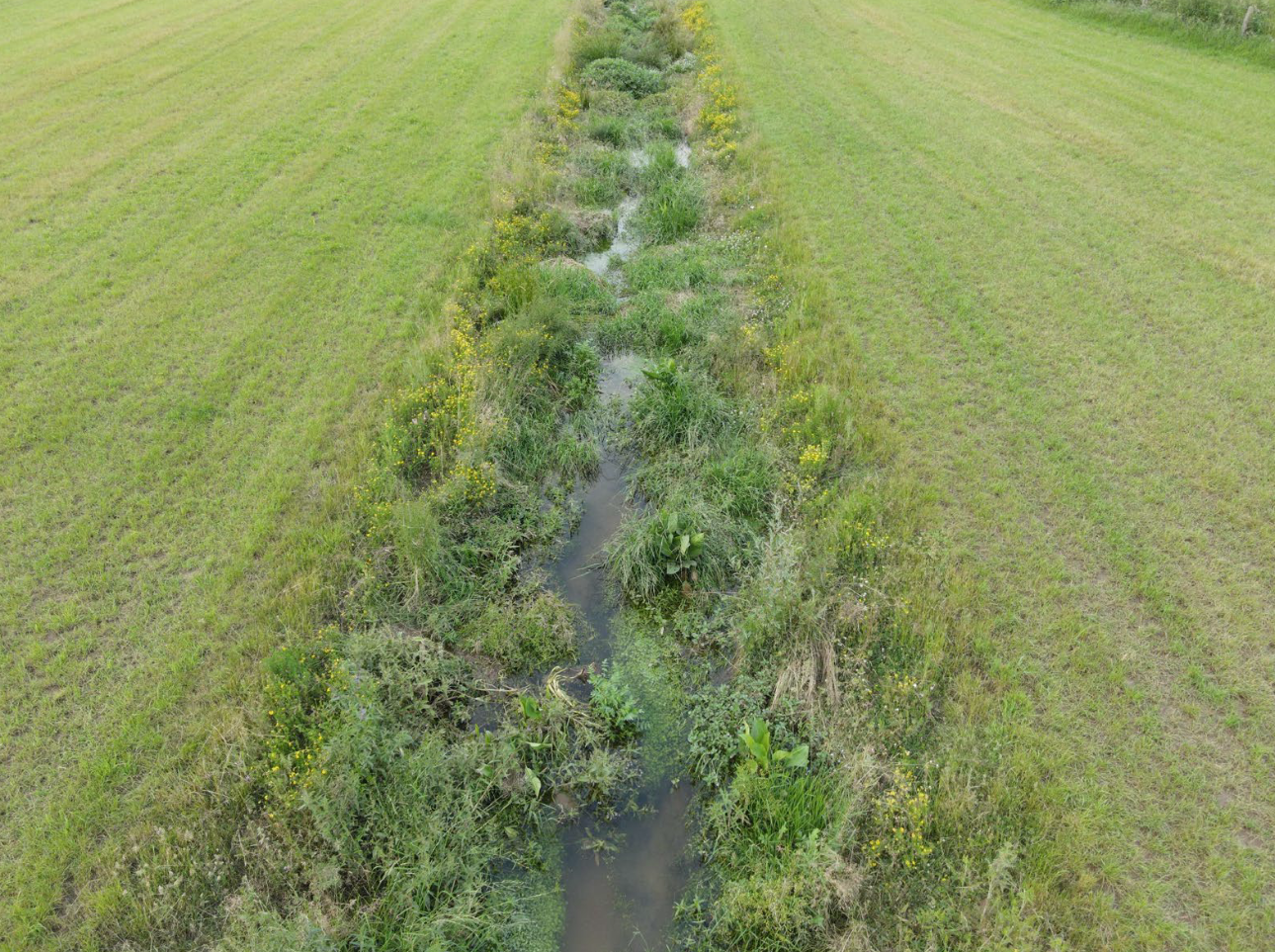
The blue veins of Bree-Eik
Some streams around Bree-Eik once disappeared underground. Today, wherever possible, we try to let the water flow visibly through the landscape again.