
A field that yields more than a harvest
On one of our grain fields, maximum yield is not the priority. Here, old arable plants are given the chance to find a place again.
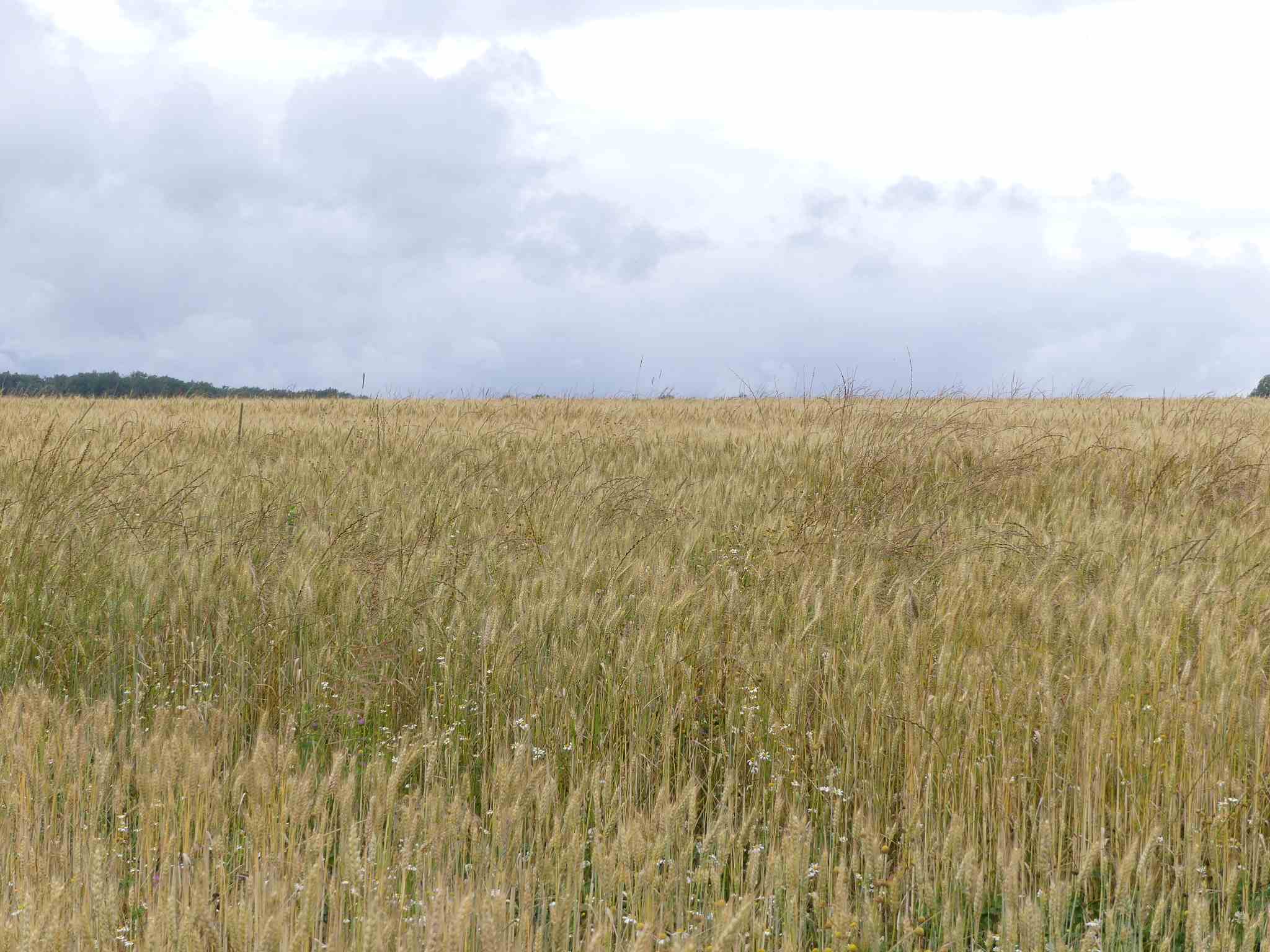
A farmed field usually has a clear purpose: growing and harvesting a crop.
But at Bree-Eik there is also a grain field where we deliberately place a different emphasis.
Here, arable flora is given room to return.
Cornflowers and poppies are probably the best-known plants that can appear among grain. They are striking and colourful, but form only a small part of the plants that once belonged to traditional arable farming.
Some of these species have today become particularly rare.
Old arable plants
In Bree-Eik's biodiversity project, we are therefore trying to restore old arable flora. The aim is for the plot to gradually regain characteristics of the species-rich fields that were once far more common.
Alongside striking species such as cornflower and poppy, many lesser-known plants appear too. Shepherd's needle, for instance, is named as one of the rarer species for which such fields can be important.
But the flowers are only the beginning of the story.
From plants to insects to birds
A flower-rich field attracts insects.
And where more insects and seeds are available, new opportunities arise for birds that depend on the open farmed landscape.
In this field, breeding pairs of skylark, lapwing and yellow wagtail are recorded every year.
In this way, a single plot takes on several functions at once.
Grain grows there. Old plants find room to return. Insects find food there. Birds use the same plot to breed.
Not every field has to do the same thing
For us, nature-inclusive farming does not mean that farmland stops being farmland.
Rather, it means looking at where, within a working farm, room can be created for other functions.
Sometimes the emphasis is on production.
And sometimes a field can yield more than just a harvest.
Read more
More time for the skylark
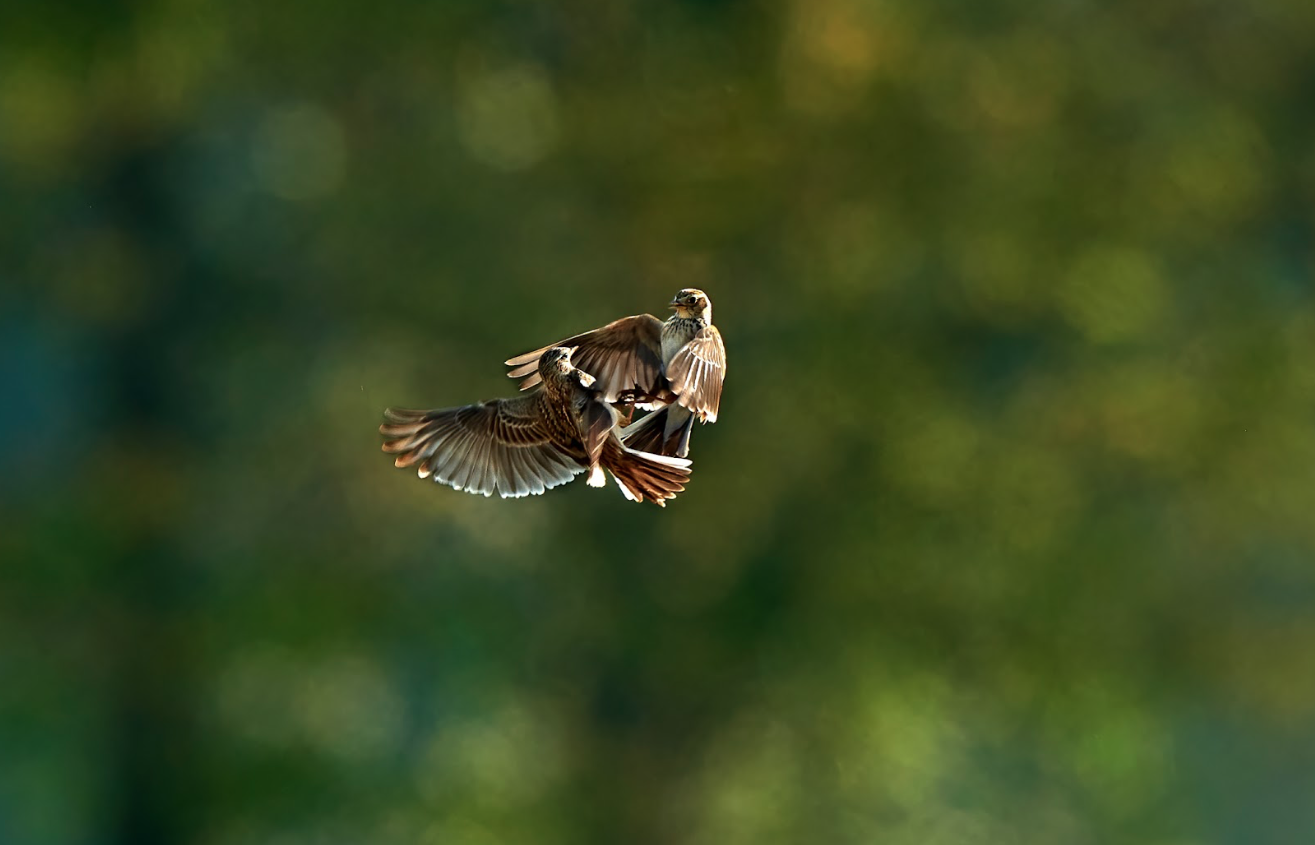
The skylark still breeds in the fields of Bree-Eik. To give it room to do so, we even adjust our mowing schedule on some plots.
Biodiversity at Bree-Eik
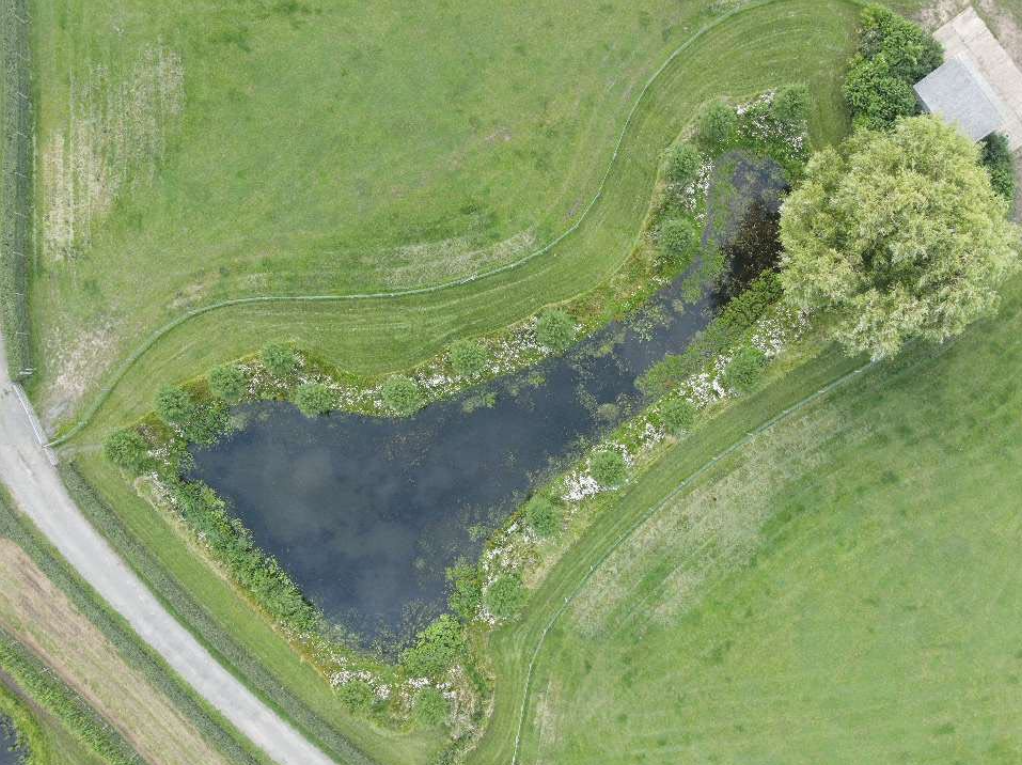
Organic farming is our foundation. But farmland is also a habitat. That's why, at Bree-Eik, we deliberately make room for plants, insects, birds and other animals.
The blue veins of Bree-Eik
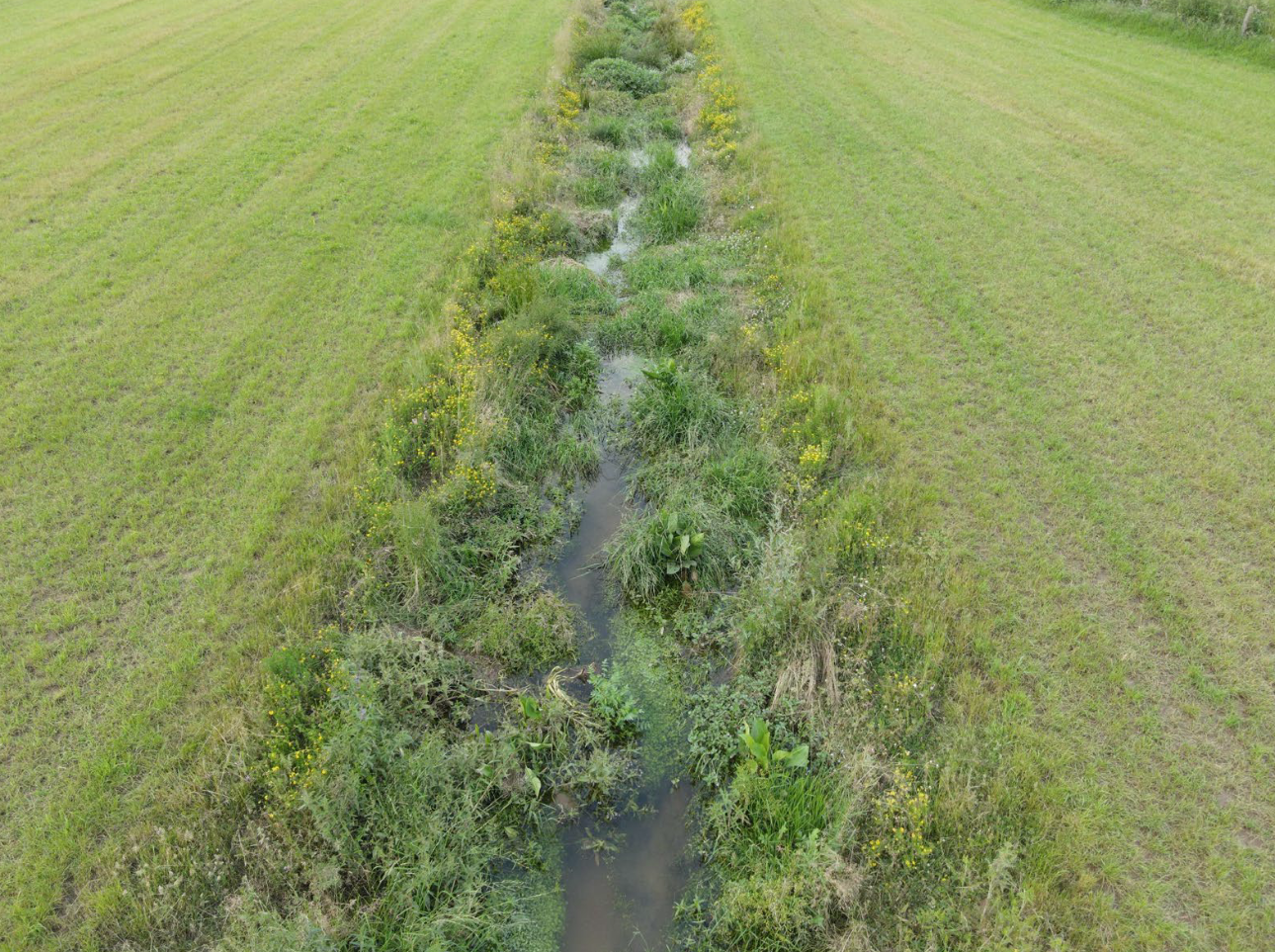
Some streams around Bree-Eik once disappeared underground. Today, wherever possible, we try to let the water flow visibly through the landscape again.